The Development of Romanticism in the Literature of Great Britain
At the turn of the century, fired by ideas of personal and political liberty and of the energy and sublimity of the natural world, artists and intellectuals sought to break the bonds of 18th-century convention. Although the works of Jean Jacques Rousseau and William Godwin had great influence, the French Revolution and its aftermath had the strongest impact of all. In England initial support for the Revolution was primarily utopian and idealist, and when the French failed to live up to expectations, most English intellectuals renounced the Revolution. However, the romantic vision had taken forms other than political, and these developed apace.
In Lyrical Ballads (1798 and 1800), a watershed in literary history, William Wordsworth and Samuel Taylor Coleridge presented and illustrated a liberating aesthetic: poetry should express, in genuine language, experience as filtered through personal emotion and imagination; the truest experience was to be found in nature. The concept of the Sublime strengthened this turn to nature, because in wild countrysides the power of the sublime could be felt most immediately. Wordsworth's romanticism is probably most fully realized in his great autobiographical poem, “The Prelude” (1805–50). In search of sublime moments, romantic poets wrote about the marvelous and supernatural, the exotic, and the medieval. But they also found beauty in the lives of simple rural people and aspects of the everyday world.
The second generation of romantic poets included John Keats, Percy Bysshe Shelley, and George Gordon, Lord Byron. In Keats's great odes, intellectual and emotional sensibility merge in language of great power and beauty. Shelley, who combined soaring lyricism with an apocalyptic political vision, sought more extreme effects and occasionally achieved them, as in his great drama Prometheus Unbound (1820). His wife, Mary Wollstonecraft Shelley, wrote the greatest of the Gothic romances, Frankenstein (1818).
Lord Byron was the prototypical romantic hero, the envy and scandal of the age. He has been continually identified with his own characters, particularly the rebellious, irreverent, erotically inclined Don Juan. Byron invested the romantic lyric with a rationalist irony. Minor romantic poets include Robert Southey—best-remembered today for his story “Goldilocks and the Three Bears”—Leigh Hunt, Thomas Moore, and Walter Savage Landor.
The romantic era was also rich in literary criticism and other nonfictional prose. William Godwin and his wife, Mary Wollstonecraft, wrote ground–breaking books on human, and women's, rights. William Hazlitt, who never forsook political radicalism, wrote brilliant and astute literary criticism.
The master of the personal essay was Charles Lamb, whereas Thomas De Quincey was master of the personal confession. The periodicals Edinburgh Review and Blackwood's Magazine, in which leading writers were published throughout the century, were major forums of controversy, political as well as literary.
Although the great novelist Jane Austen wrote during the romantic era, her work defies classification. With insight, grace, and irony she delineated human relationships within the context of English country life. Sir Walter Scott, Scottish nationalist and romantic, made the genre of the historical novel widely popular. Other novelists of the period were Maria Edgeworth, Edward Bulwer-Lytton, and Thomas Love Peacock, the latter noted for his eccentric novels satirizing the romantics.
Famous Romantics :
William Wordsworth


Lord Byron


Percy Bysshe Shelley

John Keats

Mary Shelley

Walter Scott

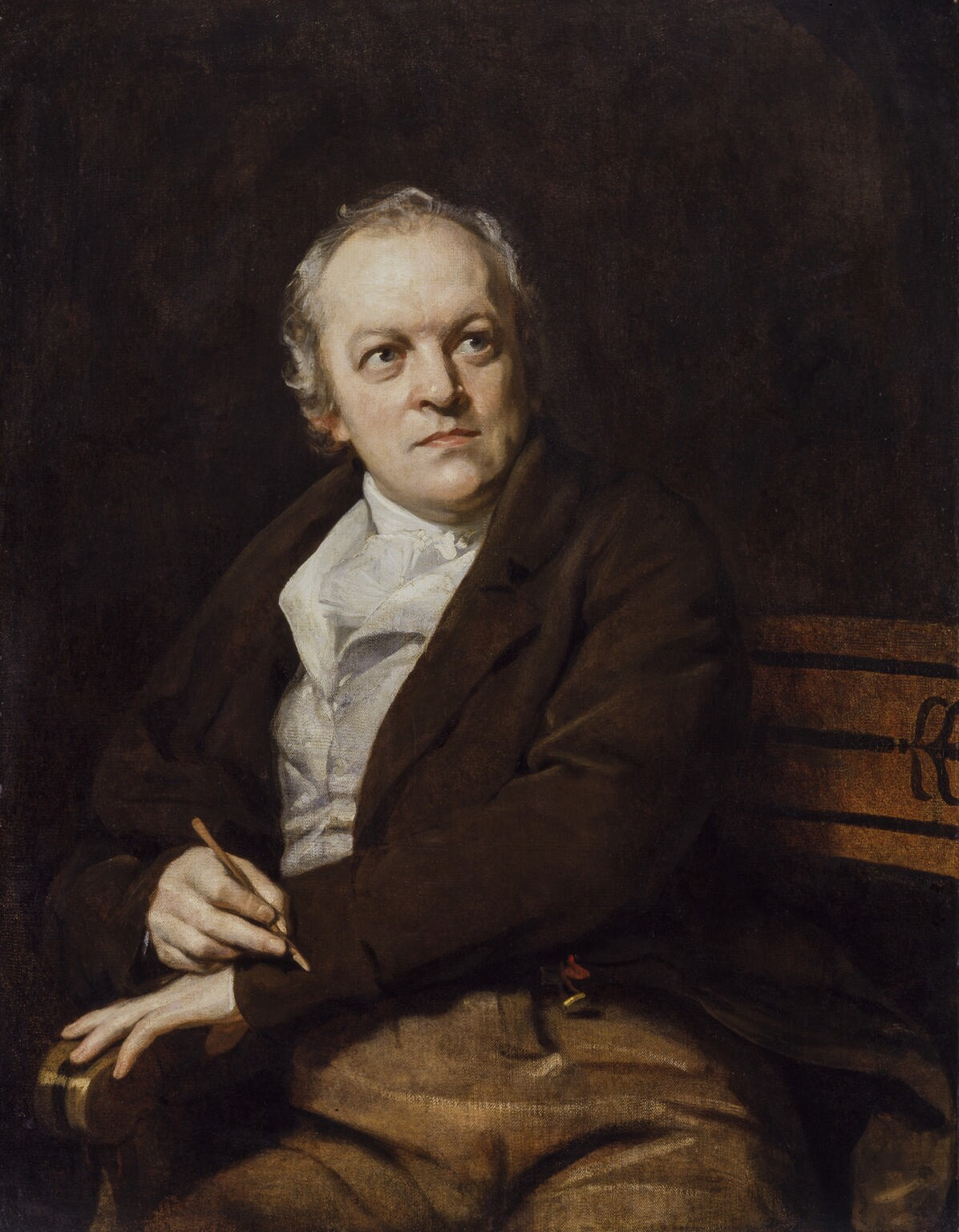
William Blake

External links :
http://academic.brooklyn.cuny.edu/english/melani/cs6/rom.html
http://www.wsu.edu/~brians/hum_303/romanticism.html


_hires.jpg)
Cool!
ВідповістиВидалитиAnd very interesting!!!!